The little .410 is having a moment. Long thought of as a garden gun or a first gun for youngsters, it is enjoying a genuine revival among experienced shots, both on the clay ground and in the game field. Many shooting grounds now run small-bore days, there are clay competitions just for the .410, and on game shoots a small but devoted band of enthusiasts take one out for driven birds, precisely because it makes every bird a proper test.
Longer barrels are a big part of the story. The traditional .410 usually came with short barrels of 26 or 28 inches, but competition-style .410 over-and-unders are now made with 30 and even 32 inch barrels. The extra length puts a little more weight out front for a smoother, steadier swing, and gives a longer line to look along, which makes the gun easier to point. With a payload as small as the .410’s, that steadiness counts for a lot.
Ask most shooters about the .410 and you will still get a smile. It is one of the smallest shotguns you will come across, and one of the most characterful. Do not let its size fool you, because in the right hands the little .410 is a surprisingly capable gun.
The .410 is named after its bore, which is about four tenths of an inch across. It is not quite the smallest shotgun, though. Even smaller is the little 9mm garden gun, which fires a tiny rimfire cartridge with just a pinch of shot. It is only really good for rats and pests at very close range, around 15 yards, and is handy inside barns and sheds. For a proper sporting shotgun, the .410 is about as small as it gets. The guns themselves are light and slim, often well under four pounds, so they are a joy to carry all day. The recoil is soft and the report is modest, which makes the .410 gentle and pleasant to shoot.
The .410 is older than you might think. The famous cartridge maker Eley was listing .410 cartridges as far back as 1857, and by 1874 was advertising them in the modern centrefire style. In those days it was known as a garden gun, a small and quiet gun for keeping down rats and vermin around the house and garden, and a favourite of gamekeepers and naturalists. In 1892 the great gunmaker W.W. Greener wrote that the .410 was well suited to naturalists and for use as a garden gun.
The earliest cartridge was just 2 inches long and carried only a small charge of shot. In time the two and a half inch and then the 3 inch loads followed, giving the little gun a bit more to offer. A big moment came in 1933, when Winchester in America brought out the 3 inch cartridge and a neat pump-action gun to go with it, and the .410 we know today was really born.
So from a humble garden gun to the characterful little all-rounder in the cabinet, the .410 has quietly earned its place over 150 years.
This is where the little gun shines. It is a grand close-range pest and vermin gun, ideal for rats, feral pigeons and grey squirrels around the yard and buildings. It makes a lovely light walking gun for a rabbit along the hedgerows. And for an experienced shot it really comes into its own on the clay ground and on a game day, where every target and every bird becomes a proper and rewarding challenge.
Part of the versatility is in the cartridges. The .410 comes in 2, two and a half, and 3 inch lengths, with the longer magnum loads carrying a little more shot. There are different shot sizes to suit different jobs too. One word of caution, older guns often only take the shorter cartridges, so always check the chamber length stamped on the barrel before you buy your cartridges. We keep a good choice of Eley .410 cartridges in the shop, in a range of loads to suit the different jobs, and we are always happy to help you pick the right one.
Here is the bit worth knowing. The .410 is often described as a beginner’s gun, but that is not really fair on it. Its small payload throws a sparse pattern, so it actually asks for more precision, not less. Its sensible range is around 25 to 30 yards, and placed well within that, it is deadly. So it truly suits a thoughtful, experienced shot, and young shots only up close and properly supervised.
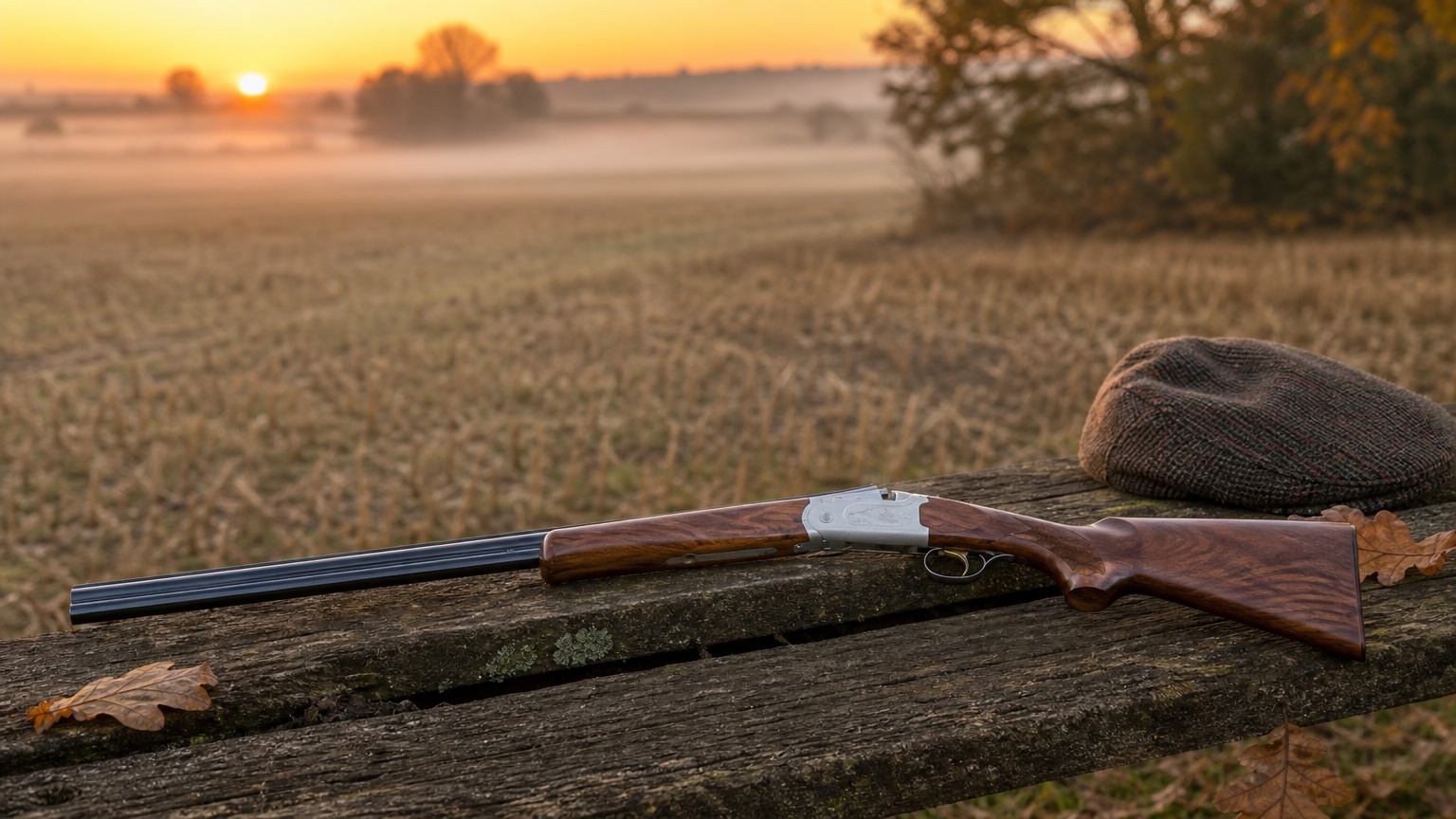
It is also hard to talk about the .410 without a nod to the side by side. A little .410 side by side is one of the most handsome and traditional guns you can pick up, and it is easy to see why they hold such a firm place in so many shooters’ hearts.
Small in the bore, but big in character. Treat the .410 with respect and a bit of skill, and it will reward you every time.
Promotions, latest products and news directly to your inbox – opt out at anytime.