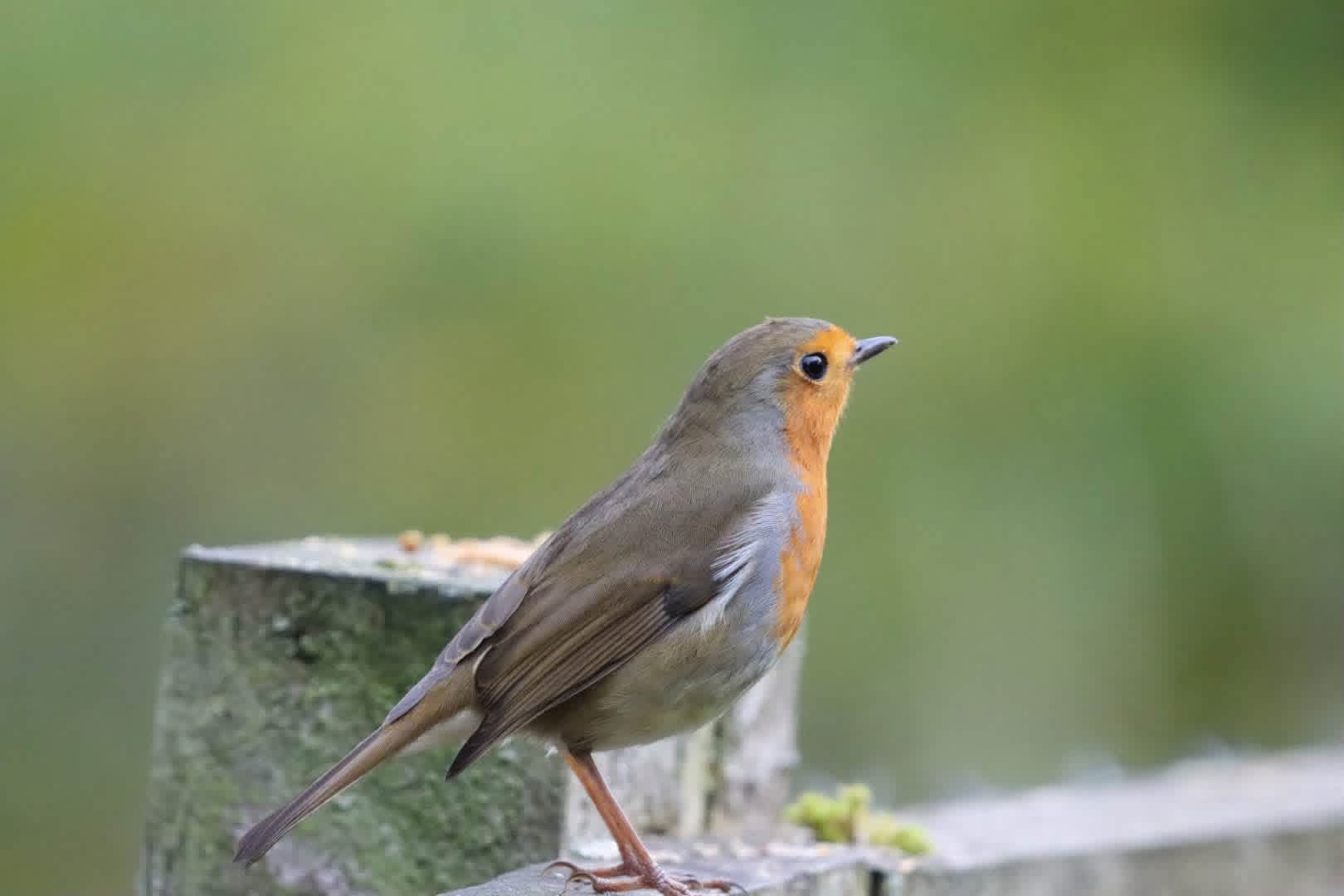
Have you ever noticed a robin following you around the garden? Perhaps it hops along behind your spade, or perches on the handle of your fork the moment you put it down. It’s one of the nicest things about being out in the garden in winter, and there’s a good reason for it.
It’s all about food. When you turn the soil, you uncover a feast that a robin would otherwise have to work hard to find. A robin will watch from a nearby perch, then drop down to snatch a worm the moment it appears.
They’re also remarkably bold. Robins in Britain have lived alongside gardeners for so long that they’ve learned we’re more useful than dangerous, which is why they’ll come within a few feet of your boots.
Long before there were gardens, robins lived in woodland, where they followed large animals rooting through the forest floor and snapped up the insects they disturbed. In parts of Europe they still follow wild boar this way. When we started digging, we simply took over that job.
Robins are fiercely territorial, and unusually, they hold on to their patch all through the winter. That’s why you hear them singing on a cold December morning when most other birds have gone quiet. A garden with worms, berries, shrubs and good nesting spots is well worth defending, and your robin will see off other robins to keep it.
Legend has it that Victorian postmen, in their scarlet coats, were nicknamed “robins”, so a robin on a Christmas card stood for the postman delivering it. The Postal Museum says the nickname never really caught on, so it may simply be that robins are the bird we see most at Christmas.
Many people believe that when a robin appears, a loved one who has passed away is close by. It’s a comforting thought, and one you’ll often hear at Christmas, when we miss the people who aren’t with us more than ever.
It’s folklore rather than fact, and nobody is quite sure where the saying began. Perhaps it’s because robins are so tame, coming close and lingering in a way few wild birds do, so a visit can feel personal. Whatever the reason, if a robin keeps you company in the garden this winter, it’s a lovely thing to take comfort in.
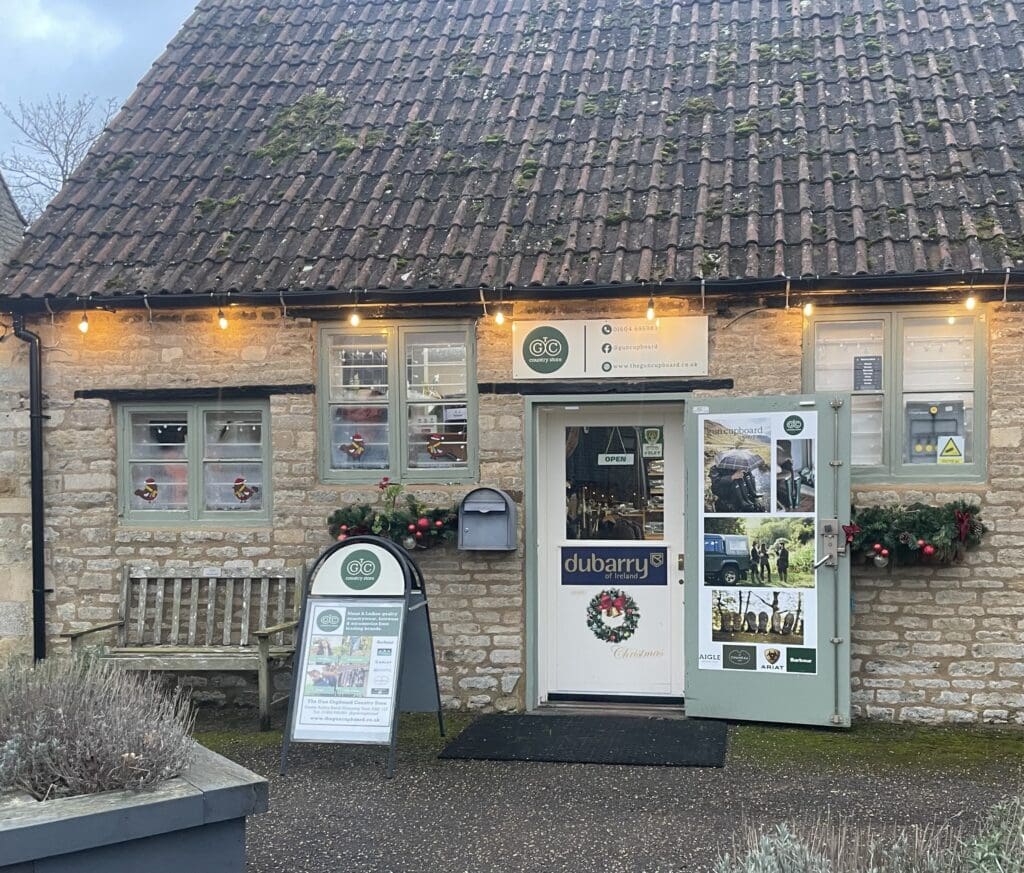
If you love your garden robin, you’ll like our Barbour Robin Fairisle Socks, a cosy little stocking filler at £17.95. You’ll find them, along with plenty more Christmas gift ideas, in our shop at Castle Ashby near Northampton, or online in our Christmas collection.
Further reading: Why robins follow you around the garden, Country Living.